7 Warning Signs Your Brakes Need Immediate Attention in Houston Traffic
Driving through Houston, TX means dealing with stop-and-go traffic, crowded highways, sudden slowdowns, and long commutes in intense heat. Whether you’re navigating I-10 during rush hour or cruising through local neighborhoods, your brakes are one of the most important safety systems in your vehicle. At Rapid Repair Auto Center, we’ve seen how quickly minor brake issues can turn into major safety concerns when warning signs are ignored.
Many drivers assume brake problems will announce themselves dramatically, but in reality, the earliest symptoms are often subtle. Paying attention to unusual sounds, vibrations, or changes in braking performance can help you avoid costly repairs and dangerous driving situations. Understanding the signs your brakes need immediate attention can also protect your vehicle’s overall health while keeping you and your passengers safe on Houston roads.
Below, we’ll break down seven common brake warning signs every Houston driver should know, what they usually mean, and why acting quickly matters.
1. Squealing or Screeching Sounds When Braking
One of the most common brake warning signs is a high-pitched squealing noise when you apply the brakes. This sound is often caused by worn brake pads. Most brake pads are designed with built-in wear indicators that intentionally create noise when the pads become too thin.
Houston traffic puts constant pressure on brake components. Frequent stopping and heavy commuting can wear pads down faster than many drivers expect. While some squeaks may happen temporarily because of moisture or overnight condensation, consistent squealing should never be ignored.
If the sound progresses into a grinding noise, the problem has likely become more severe. Grinding typically indicates the brake pad material has worn away completely, causing metal-on-metal contact. At that point, additional components like the rotors may suffer damage, increasing repair costs significantly.
Drivers who respond quickly to early brake noise often avoid larger brake system repairs. Routine inspections at Rapid Repair Auto Center help identify worn pads before they damage other braking components.
2. Vibrations or Pulsations While Braking
Does your steering wheel shake when you slow down? Do you feel vibrations through the brake pedal? These symptoms usually point to warped brake rotors.
Brake rotors endure extreme heat every time you stop your vehicle. In Houston’s hot climate, combined with heavy traffic congestion, brake temperatures can rise rapidly. Over time, excessive heat can cause rotor surfaces to become uneven. When this happens, the brake pads cannot make smooth contact with the rotor surface, resulting in noticeable vibrations.
Warped rotors not only reduce braking comfort but can also compromise stopping performance. Some drivers mistakenly assume the issue is related to tires or suspension components, but brake vibrations frequently originate within the braking system itself.
Ignoring brake pulsation can lead to uneven pad wear and reduced braking efficiency. Having the issue inspected early allows technicians to determine whether resurfacing or rotor replacement is necessary.
3. Soft or Spongy Brake Pedal
Your brake pedal should feel firm and responsive. If the pedal suddenly feels soft, spongy, or sinks toward the floor when pressed, there may be a serious issue within the hydraulic braking system.
Several problems can cause a soft brake pedal, including:
- Air trapped in the brake lines
- Brake fluid leaks
- Failing master cylinder
- Moisture contamination in brake fluid
Brake fluid plays a critical role in transferring force from the pedal to the brake components. When pressure within the system is compromised, stopping distances increase and braking reliability decreases.
Houston drivers frequently encounter sudden braking situations due to dense traffic patterns. A delayed braking response can create dangerous conditions within seconds. If your brake pedal feels unusual in any way, scheduling an inspection immediately is the safest decision.
At Rapid Repair Auto Center, we recommend never delaying service for hydraulic brake concerns because these problems can worsen rapidly without warning.
4. Your Vehicle Pulls to One Side
If your vehicle drifts or pulls left or right while braking, it could indicate uneven brake performance. This issue may result from:
- A sticking brake caliper
- Uneven brake pad wear
- Brake fluid issues
- Contaminated brake components
Pulling while braking reduces vehicle control and increases accident risk, especially during wet weather or emergency stops. Houston’s frequent rainstorms can already reduce traction, so any imbalance in braking force becomes even more dangerous.
Some drivers assume pulling is simply an alignment issue, but braking-specific pulling typically occurs only when the brake pedal is applied. That distinction is important because it helps isolate the problem more accurately.
Ignoring this symptom can place additional strain on tires, suspension components, and steering systems. A professional brake inspection can quickly identify the root cause and restore balanced stopping performance.
5. Burning Smell After Heavy Braking
A sharp chemical or burning odor after braking often signals overheated brake components. This can happen after aggressive braking, driving downhill, or sitting in prolonged stop-and-go traffic.
Houston traffic congestion frequently forces drivers into repetitive braking situations, especially during peak commuting hours. Excessive heat buildup can lead to brake fade, where braking performance temporarily decreases because components become too hot to function efficiently.
If you notice a burning smell:
- Pull over safely if possible
- Allow the brakes to cool
- Avoid continued aggressive driving
- Schedule a brake inspection promptly
Persistent overheating may indicate a seized caliper or other brake system malfunction. Continuing to drive under those conditions can damage rotors, pads, and surrounding components.
Brake overheating is not something drivers should dismiss, particularly during Houston summers when external temperatures already place additional stress on vehicle systems.
6. Brake Warning Light Illuminates
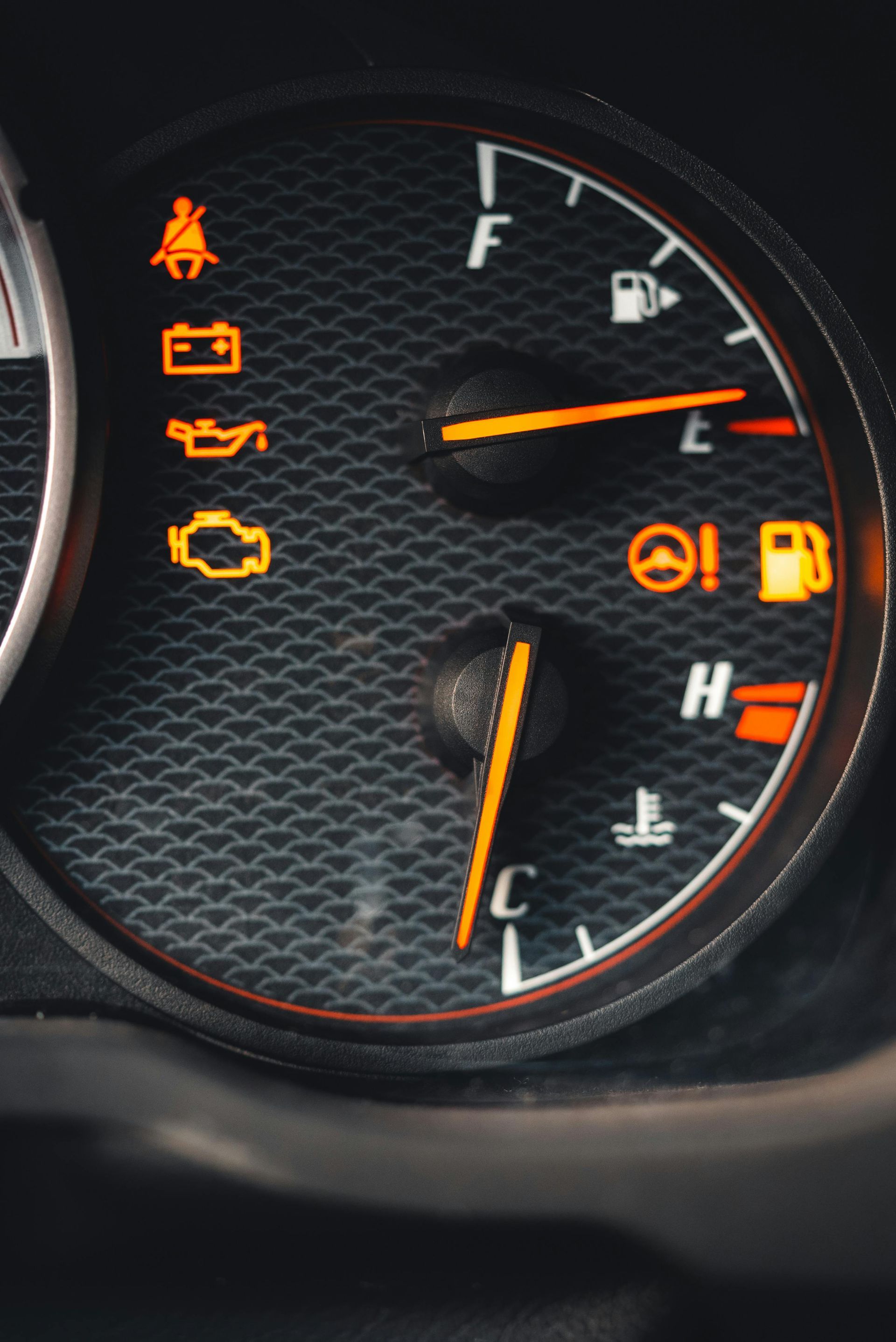
Modern vehicles are equipped with brake warning indicators that monitor several aspects of braking performance. If your brake warning light appears on the dashboard, your vehicle is attempting to alert you to a potential issue.
Depending on the vehicle, the warning light may indicate:
- Low brake fluid
- Worn brake pads
- ABS system malfunction
- Hydraulic pressure problems
- Electronic brake system faults
Some drivers ignore dashboard lights if the vehicle still feels “normal,” but many brake system issues develop gradually. Catching them early can prevent more extensive repairs later.
Anti-lock braking systems (ABS) are especially important during emergency braking situations. In a busy city like Houston, where traffic conditions change quickly, ABS functionality helps maintain steering control during sudden stops.
At Rapid Repair Auto Center, our technicians use advanced diagnostic equipment to accurately identify brake warning light causes and recommend the proper repairs.
7. Increased Stopping Distance
If your vehicle suddenly takes longer to stop than usual, your brakes may already be compromised. Increased stopping distance is one of the most serious warning signs because it directly impacts your ability to avoid collisions.
Several issues can contribute to reduced braking power, including:
- Severely worn brake pads
- Damaged rotors
- Brake fluid problems
- Faulty calipers
- Tire traction issues linked to braking imbalance
Sometimes the change happens gradually, making it difficult for drivers to notice immediately. Over time, drivers may unknowingly adapt to weaker braking performance without realizing their stopping capability has diminished.
Houston’s unpredictable traffic conditions require reliable braking response at all times. Whether another driver stops suddenly or road hazards appear unexpectedly, strong brakes are essential for safe driving.
If you notice your vehicle feels slower to stop, it’s important to have the braking system inspected before the issue worsens.
Why Brake Maintenance Matters in Houston, TX
Houston driving conditions are especially demanding on brake systems. Long commutes, heavy traffic congestion, humid weather, and high temperatures all accelerate wear on brake components. Vehicles operating in urban environments often require brake service more frequently than those driven primarily on open highways.
Routine brake inspections can help identify issues before they become expensive or dangerous. Regular maintenance also improves:
- Vehicle safety
- Brake lifespan
- Driving comfort
- Fuel efficiency
- Overall vehicle reliability
Preventive brake care saves money over time by reducing the likelihood of extensive rotor damage or complete system failures.
At Rapid Repair Auto Center, we believe informed drivers make safer decisions. Understanding these warning signs helps you stay proactive about vehicle maintenance while protecting everyone on the road.
Don’t Ignore Brake Warning Signs
Brake problems rarely improve on their own. Small symptoms often progress into larger issues that affect both safety and repair costs. Listening to your vehicle and responding quickly to warning signs can help prevent breakdowns, reduce stress, and keep your car performing reliably in Houston traffic.
Whether you’re hearing unusual noises, feeling vibrations, or noticing reduced stopping power, addressing brake concerns early is always the smarter choice. Consistent inspections and professional maintenance ensure your braking system stays dependable in every driving condition.