What Causes a Check Engine Light to Turn On?
Few dashboard warnings create more stress for drivers than the check engine light. One moment you are driving normally through Houston, TX, and the next, a glowing amber icon suddenly appears on your dashboard. For many drivers, the immediate question becomes: “Is my car safe to drive?” Closely followed by: “How expensive is this going to be?”
At Rapid Repair Auto Center in Houston, TX, we understand how frustrating and confusing a check engine light can be. The truth is, your vehicle’s check engine light is designed to protect you from larger and more expensive repairs by alerting you to a problem early. Sometimes the issue is minor, like a loose gas cap. Other times, it can signal more serious engine, emissions, or transmission concerns that need prompt attention.
In this guide, we will break down the most common causes of a check engine light, explain what the warning means, discuss the difference between a flashing and steady light, and help you understand when it is time to schedule professional diagnostics.
What Is the Check Engine Light?
The check engine light is part of your vehicle’s onboard diagnostics system, often referred to as the OBD-II system. Modern vehicles use sensors and computer modules to monitor engine performance, fuel delivery, ignition timing, emissions systems, and dozens of other components.
When the system detects a problem outside the normal operating range, it stores a diagnostic trouble code and activates the check engine light on your dashboard.
The warning can appear in different ways:
- A steady check engine light
- A flashing check engine light
- A check engine message on your information display
Each type of warning can indicate a different level of urgency.
Steady vs. Flashing Check Engine Light
Understanding the difference between a steady and flashing check engine light is important for protecting your vehicle.
Steady Check Engine Light
A steady light usually means the vehicle has detected a problem that should be inspected soon, but it may not require immediate emergency service. Common causes include emissions issues, sensor failures, or fuel system concerns.
While your vehicle may still drive normally, ignoring the warning could lead to reduced fuel efficiency, worsening engine performance, or more costly repairs later.
Flashing Check Engine Light
A flashing check engine light is far more serious. In many cases, it indicates an active engine misfire that could damage the catalytic converter or other major engine components.
If your check engine light is flashing, you should reduce speed, avoid hard acceleration, and have the vehicle inspected as soon as possible. Continuing to drive with a flashing warning can result in severe engine damage and expensive repairs.
Common Causes of a Check Engine Light
There are many reasons why a check engine light may turn on. Some are simple and inexpensive to fix, while others require advanced diagnostics and repair.
Here are some of the most common causes drivers experience in Houston, TX.
Loose or Damaged Gas Cap
Believe it or not, one of the most common reasons for a check engine light is a loose gas cap.
Your gas cap helps maintain pressure within the fuel system and prevents fuel vapors from escaping. If the cap is loose, cracked, or damaged, the vehicle’s emissions system may detect a leak and trigger the warning light.
Signs of a gas cap issue may include:
- Fuel smell near the vehicle
- Reduced fuel efficiency
- Check engine light appearing shortly after refueling
In some cases, tightening or replacing the gas cap may resolve the issue after several driving cycles.
Faulty Oxygen Sensor
Your vehicle’s oxygen sensors monitor the amount of oxygen in the exhaust stream to help regulate fuel delivery. When an oxygen sensor fails, the engine may run too rich or too lean.
A faulty oxygen sensor can lead to:
- Poor fuel economy
- Increased emissions
- Rough engine performance
- Failed emissions testing
Ignoring a failing oxygen sensor can also place extra strain on the catalytic converter, potentially leading to more expensive repairs down the road.
Catalytic Converter Problems
The catalytic converter plays a critical role in reducing harmful emissions from your vehicle. When it begins to fail, your vehicle may experience reduced power, poor acceleration, and worsening fuel efficiency.
Catalytic converter problems are often caused by:
- Engine misfires
- Unburned fuel entering the exhaust system
- Long-term neglect of maintenance issues
- Faulty spark plugs or ignition coils
Replacing a catalytic converter can be costly, which is why early diagnosis is extremely important.
Failing Spark Plugs or Ignition Coils
Spark plugs and ignition coils are responsible for igniting the air-fuel mixture inside the engine. When they wear out or fail, the engine may misfire.
Common symptoms include:
- Rough idle
- Hesitation during acceleration
- Engine shaking or vibration
- Reduced fuel economy
- Flashing check engine light
Houston drivers who frequently encounter stop-and-go traffic may place additional strain on ignition components over time.
Mass Airflow Sensor Failure
The mass airflow sensor measures the amount of air entering the engine and helps determine proper fuel delivery. When this sensor becomes dirty or fails, the engine computer may struggle to maintain the correct fuel mixture.
Symptoms may include:
- Poor acceleration
- Stalling
- Rough idle
- Difficulty starting
- Reduced gas mileage
Routine air filter replacement can sometimes help prevent premature mass airflow sensor issues.
Vacuum Leaks
Modern engines rely on vacuum pressure for proper operation. A cracked vacuum hose or intake leak can disrupt engine performance and trigger the check engine light.
Vacuum leaks may cause:
- High or rough idle
- Poor acceleration
- Hissing noises from the engine bay
- Reduced fuel efficiency
Houston’s heat can accelerate rubber hose deterioration over time, especially in older vehicles.
EVAP System Issues
The evaporative emissions system, commonly called the EVAP system, captures fuel vapors before they escape into the atmosphere.
Problems with the EVAP system can include:
- Faulty purge valves
- Leaking hoses
- Damaged charcoal canisters
- Loose fuel system connections
While EVAP issues may not immediately affect drivability, they can still trigger the check engine light and lead to failed emissions inspections.
Transmission Problems
In some vehicles, transmission-related issues can also activate the check engine light. Modern transmissions rely heavily on electronic controls and sensors.
Signs of transmission trouble may include:
- Hard shifting
- Delayed acceleration
- Slipping gears
- Transmission overheating
Addressing transmission concerns early can help prevent more severe internal damage.
Can Weather Affect the Check Engine Light?
Yes, weather conditions can sometimes contribute to check engine light concerns.
In Houston, TX, high heat and humidity can place additional stress on sensors, ignition components, batteries, and cooling systems. Rapid temperature changes and heavy rain may also expose weak electrical connections or sensor issues.
For example:
- Humidity can affect ignition system performance
- Heat can accelerate sensor failure
- Water intrusion may impact electrical components
While weather itself may not directly cause the warning light, environmental conditions can reveal existing weaknesses in the vehicle.
Is It Safe to Drive With the Check Engine Light On?
The answer depends on the severity of the issue.
You may be able to continue driving temporarily if:
- The light is steady
- The vehicle drives normally
- There are no unusual noises or smells
- Performance remains stable
However, you should stop driving and seek professional inspection if:
- The light is flashing
- The engine shakes or misfires
- You notice smoke or burning smells
- The vehicle loses power
- Engine temperature rises
Ignoring a check engine light can allow small issues to become much larger repairs.
Why Professional Diagnostics Matter
Many auto parts stores offer free code scans, but reading a code is only part of the diagnostic process.
A diagnostic trouble code identifies the system where the problem was detected, not necessarily the failed component itself. For example, an oxygen sensor code does not always mean the oxygen sensor is bad. The real issue could involve fuel delivery, vacuum leaks, ignition problems, or exhaust system concerns.
Professional diagnostics involve:
- Advanced scan tools
- Live data analysis
- Electrical testing
- Smoke testing for leaks
- Road testing
- Component inspections
At Rapid Repair Auto Center in Houston, TX, proper diagnostics help ensure the issue is accurately identified before unnecessary parts are replaced.
How Preventive Maintenance Helps Reduce Check Engine Light Issues
Routine maintenance plays a major role in preventing unexpected warning lights and breakdowns.
Regular maintenance services include:
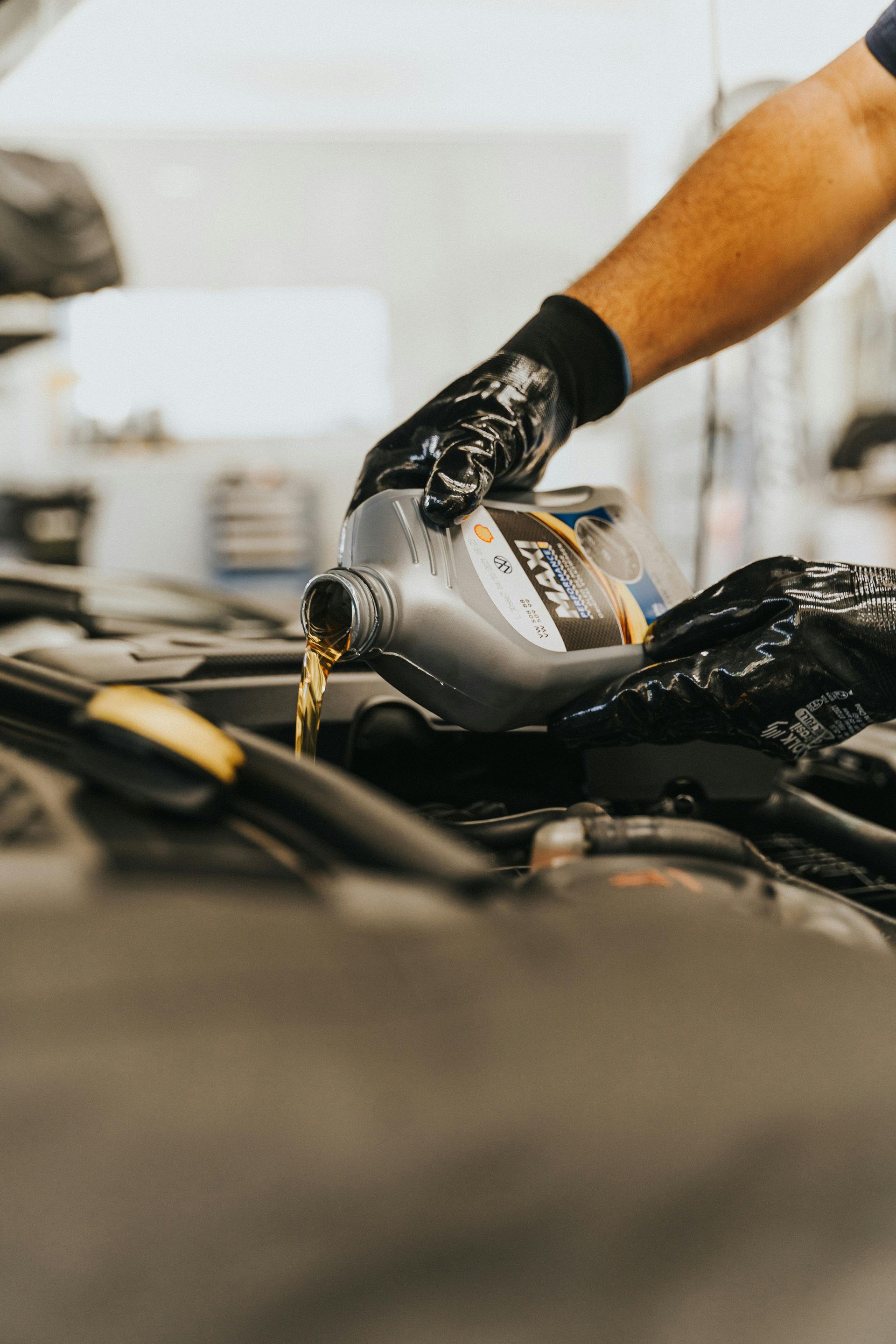
- Oil changes
- Spark plug replacement
- Air filter replacement
- Fuel system cleaning
- Cooling system inspections
- Scheduled tune-ups
Keeping up with factory-recommended maintenance can improve fuel efficiency, reduce emissions, and help identify developing problems before they become major repairs.
What To Do When Your Check Engine Light Comes On
If your check engine light appears, follow these steps:
1. Check for Obvious Issues
Make sure the gas cap is tightened properly and look for any obvious warning signs such as leaks, smoke, or overheating.
2. Pay Attention to Vehicle Performance
Notice whether the vehicle is driving differently. Rough idling, poor acceleration, or shaking may indicate a more serious issue.
3. Avoid Ignoring the Warning
Even if the vehicle seems to drive normally, delayed repairs can often lead to more expensive damage.
4. Schedule Professional Diagnostics
Having the vehicle inspected early can help identify the root cause and prevent unnecessary repairs.
Trust Experienced Diagnostics in Houston, TX
Today’s vehicles are more advanced than ever, and diagnosing a check engine light often requires specialized tools and expertise. Whether the issue involves sensors, emissions systems, ignition components, or engine performance, prompt diagnostics can help protect your vehicle’s reliability and longevity.
At Rapid Repair Auto Center in Houston, TX, we believe informed drivers make better decisions about vehicle care. Understanding what causes a check engine light to turn on can help you respond quickly, avoid costly breakdowns, and keep your vehicle performing at its best for years to come.